Research

Parametric Urbanism
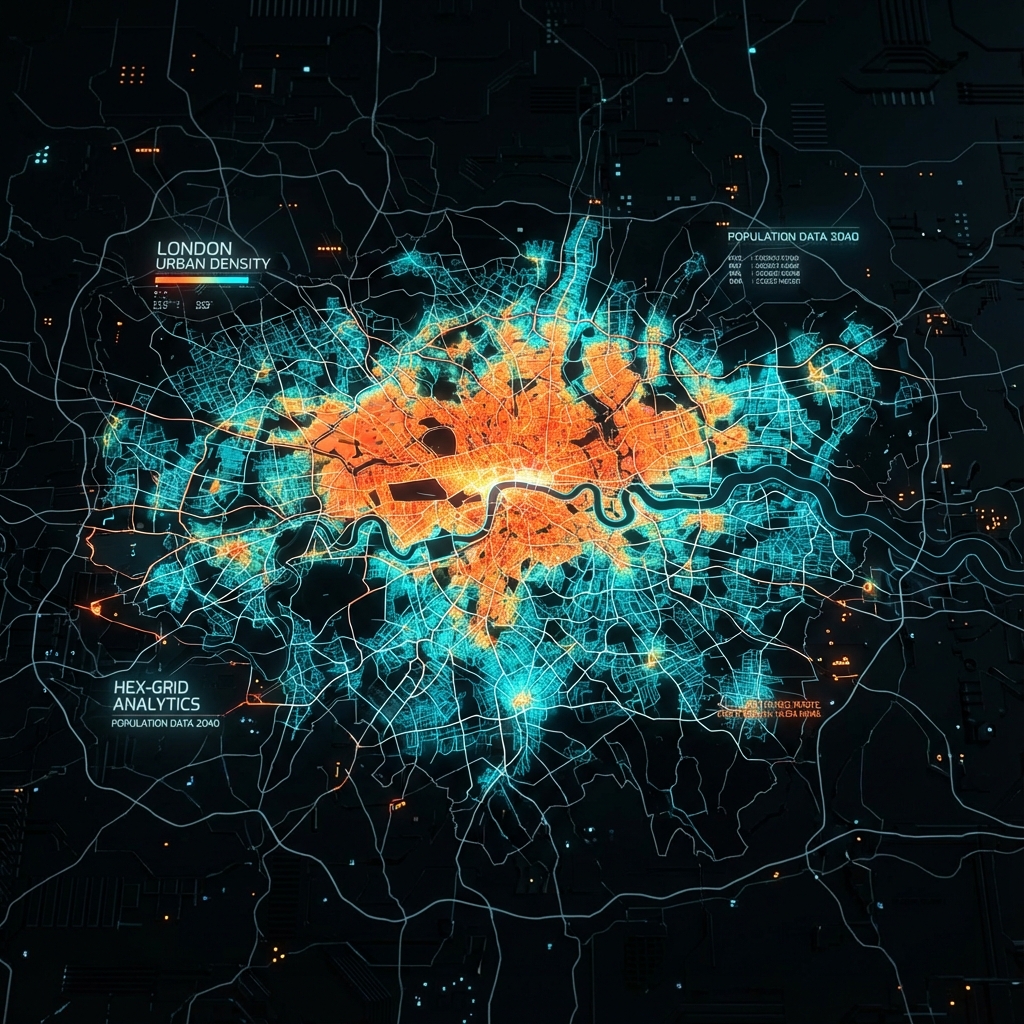
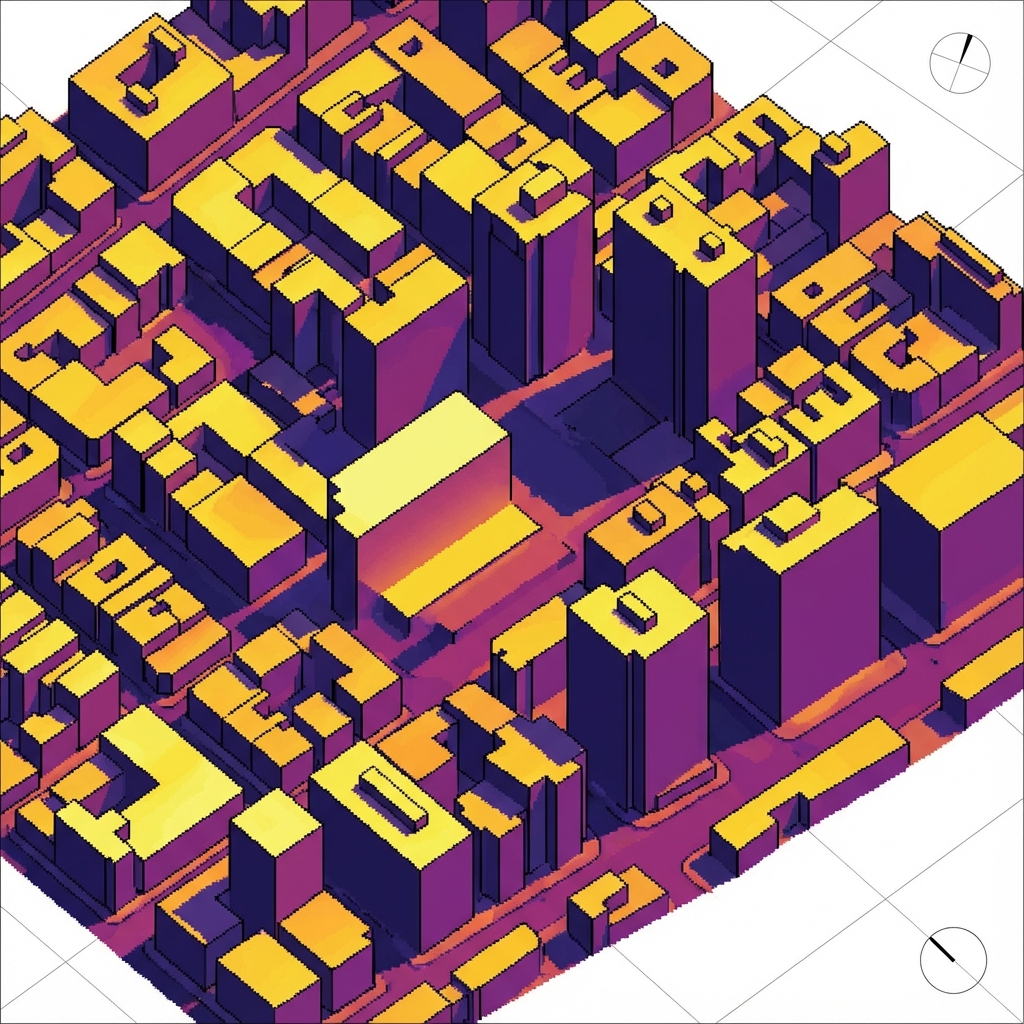
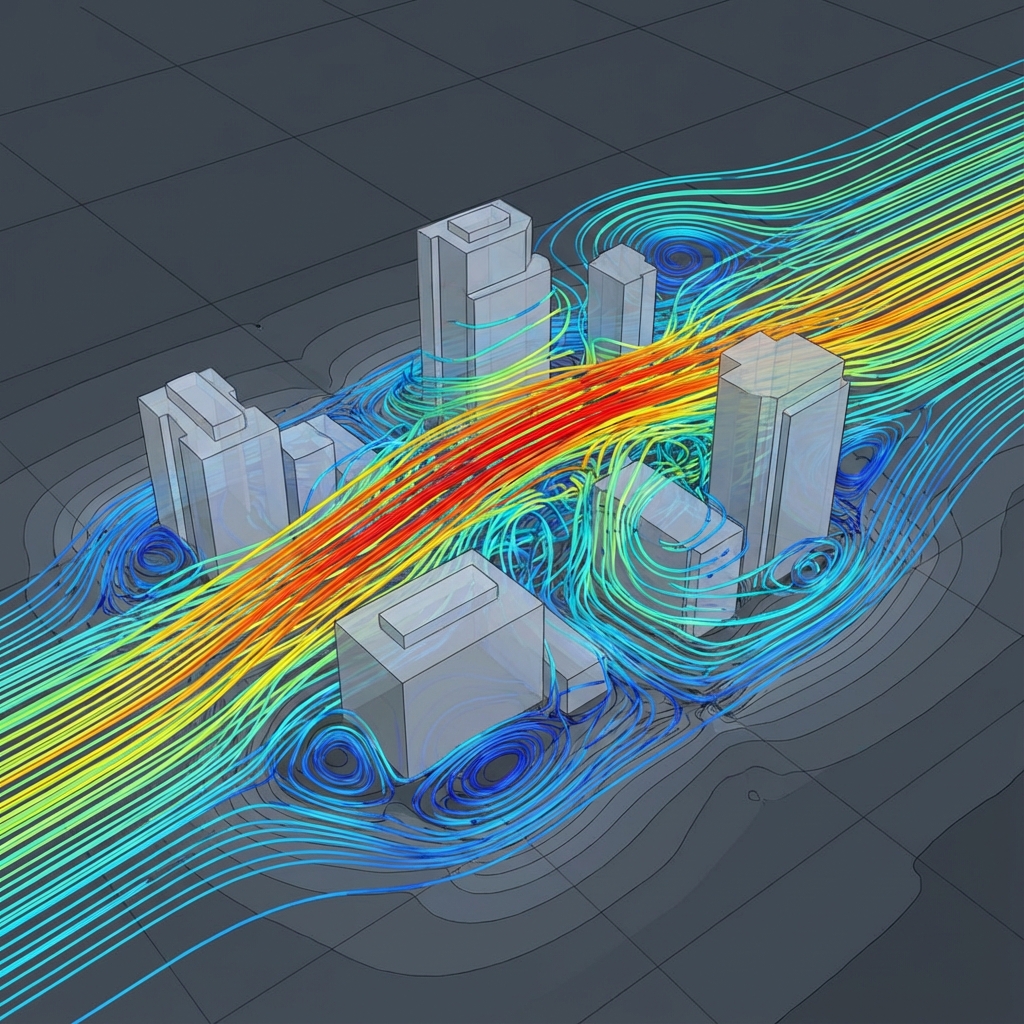
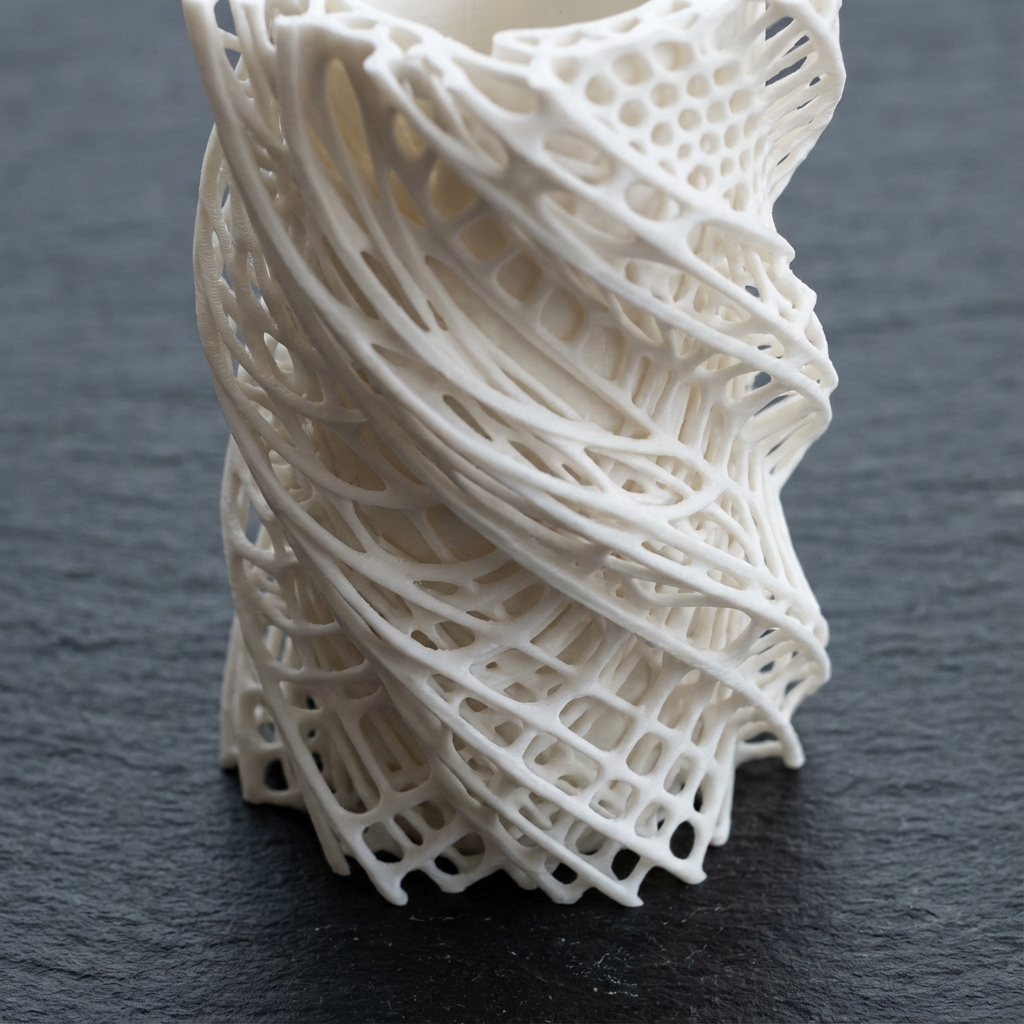
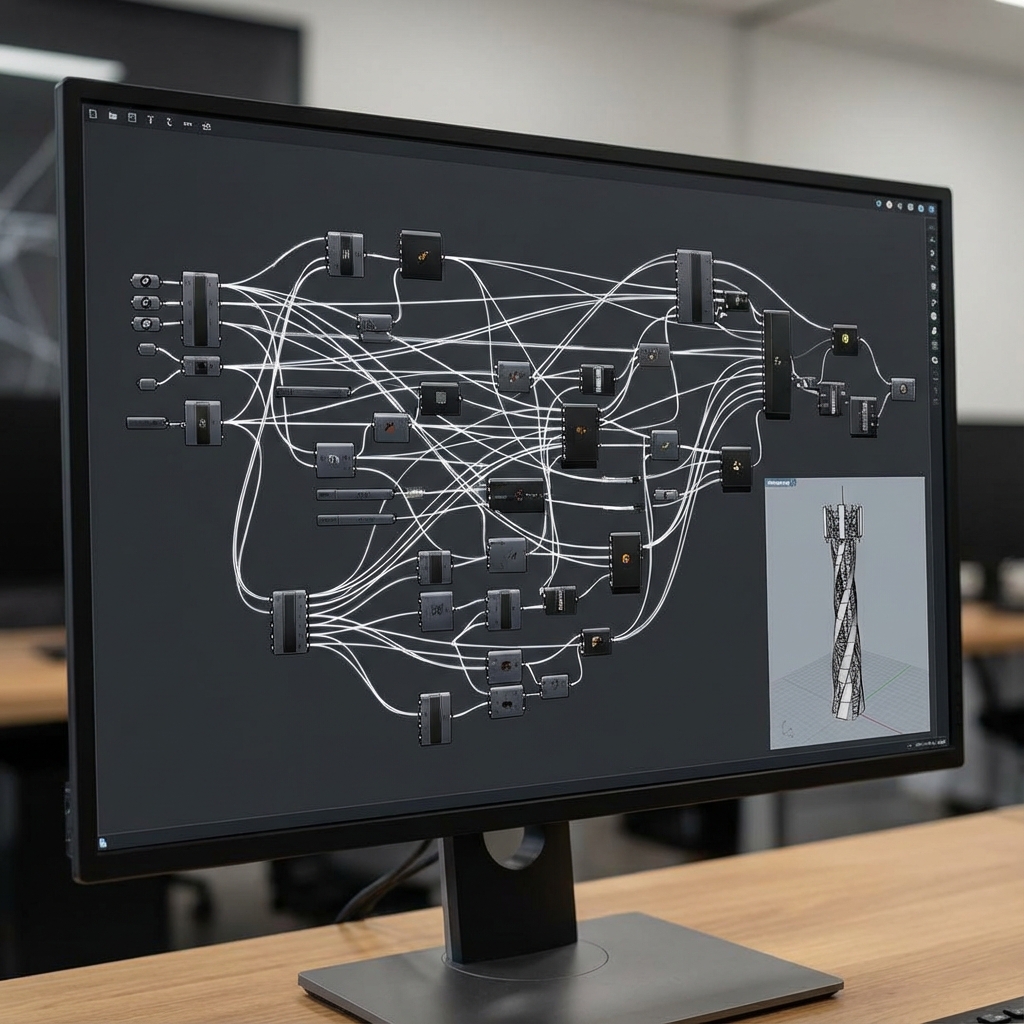
Data-driven density study for the urban fabric of London. Optimization of sunlight and airflow using evolutionary algorithms.
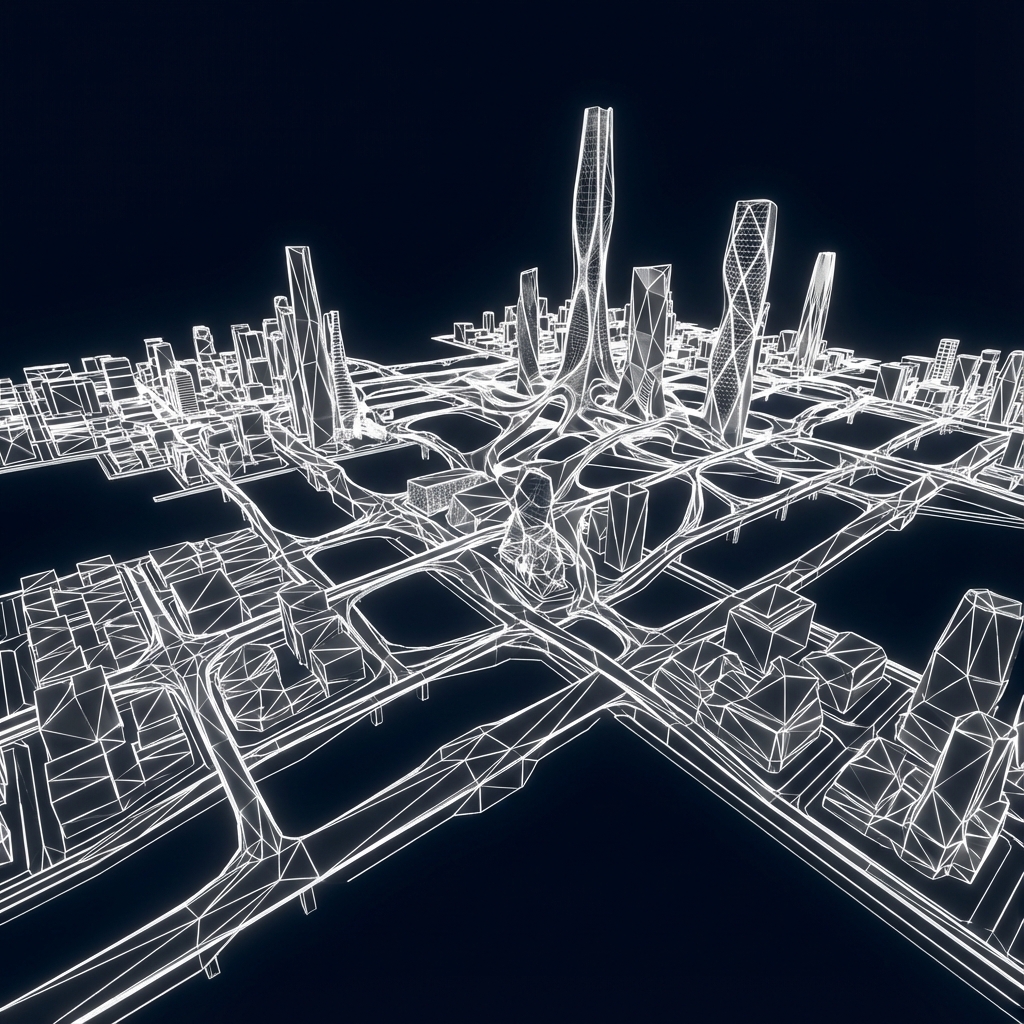
This research explores how computational methods can balance population growth with environmental quality, creating livable urban environments that respond to their specific microclimate conditions.
Overview
Urban density optimization for London using computational methods to balance population growth with livability standards.
Methodology
- Genetic algorithms for multi-objective optimization
- Sunlight analysis: minimum 2 hours direct sunlight per unit
- Wind flow CFD simulations
- Population density vs green space balancing
Technical Outcomes
- 23% improvement in sunlight exposure
- 15% better natural ventilation
- Increased density while maintaining livability standards
Tools: Grasshopper, Ladybug Tools, Galapagos solver



Generative Facades
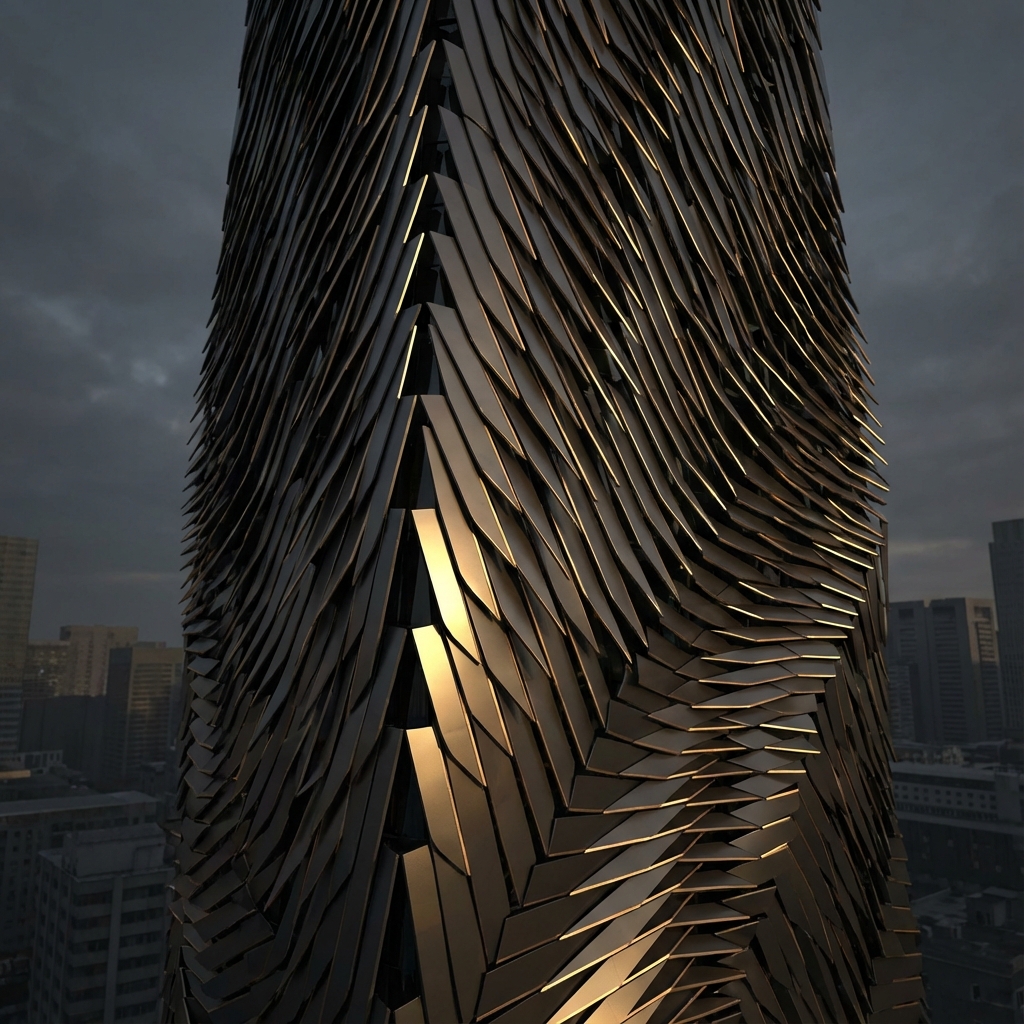
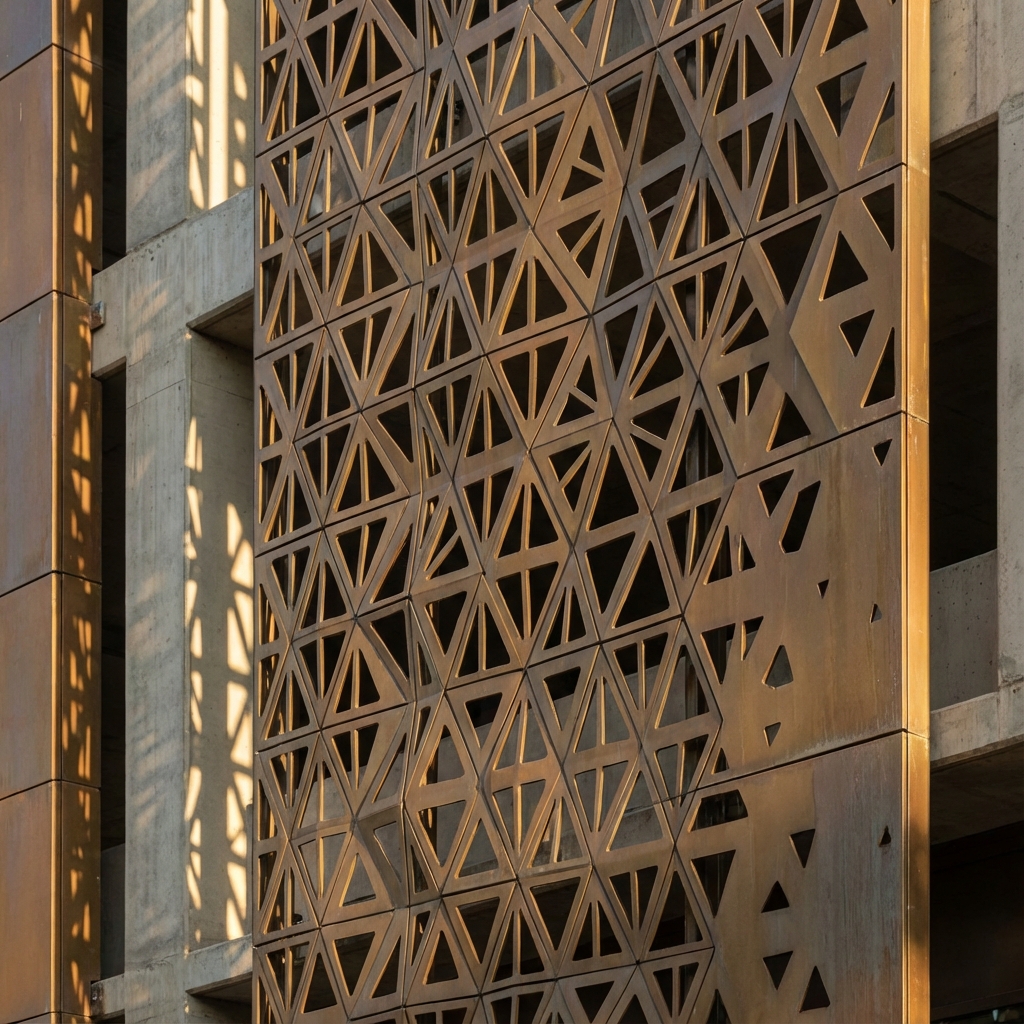
Self-shading skin systems responding to climatic data inputs using kinetic components.
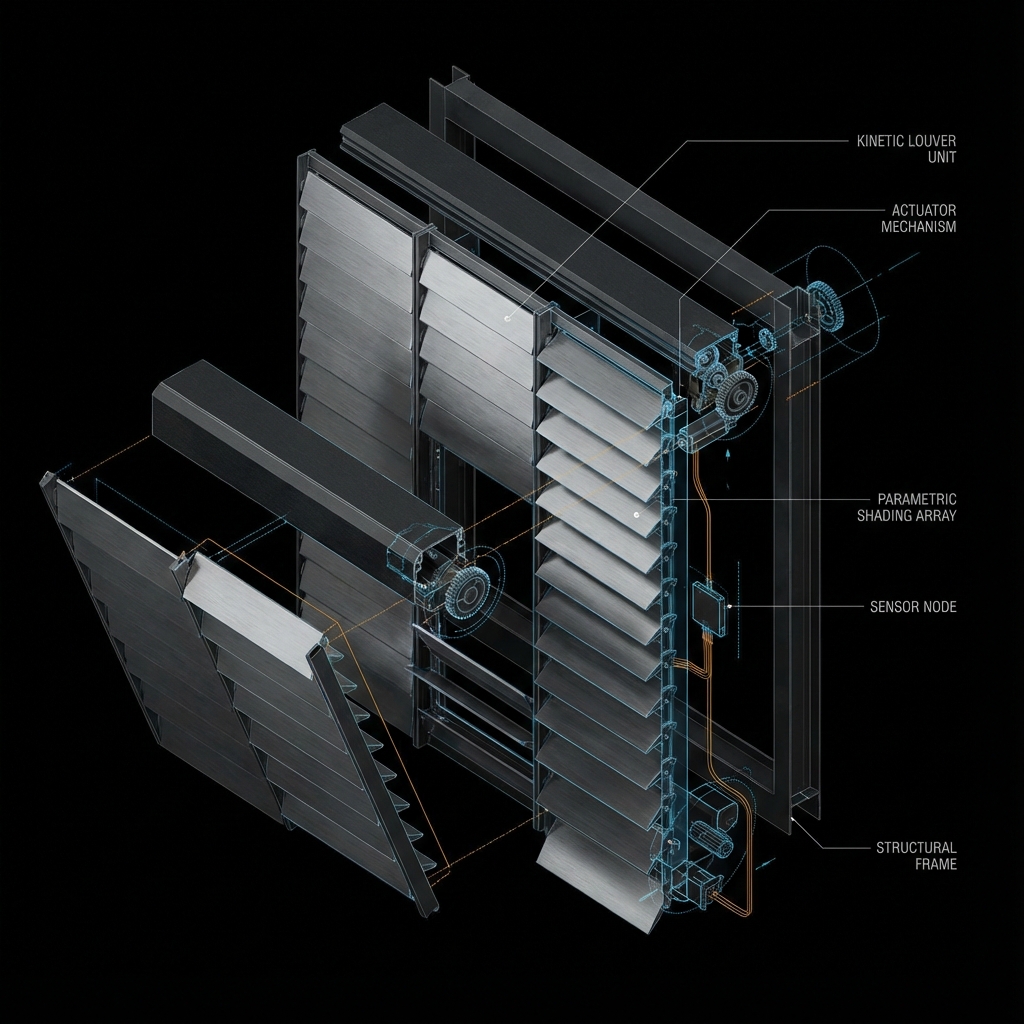
Building envelopes that adapt in real-time to environmental conditions—reducing cooling loads while maximizing daylight. Our systems integrate sensor networks with parametric control algorithms for autonomous operation.
Overview
Adaptive building skins that respond to environmental conditions in real-time, optimizing energy performance and occupant comfort.
System Design
- Kinetic louver mechanisms with servo motors
- Real-time climate sensors (temperature, solar radiation, wind)
- Parametric control algorithms
Performance Benefits
- 30% reduction in cooling energy consumption
- Automated shading based on sun position
- Integration with Building Management System (BMS)
Tools: Arduino, Grasshopper, Firefly plugin

Material Optimization
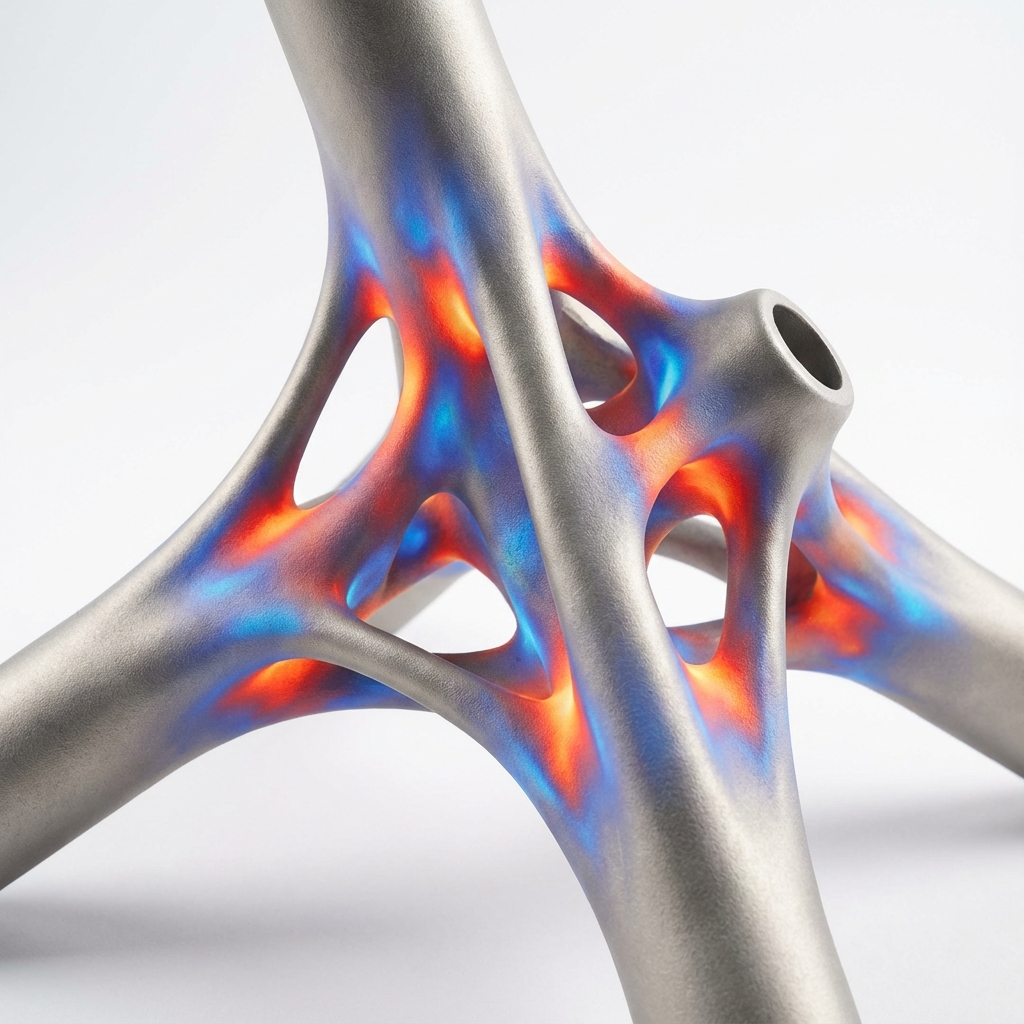
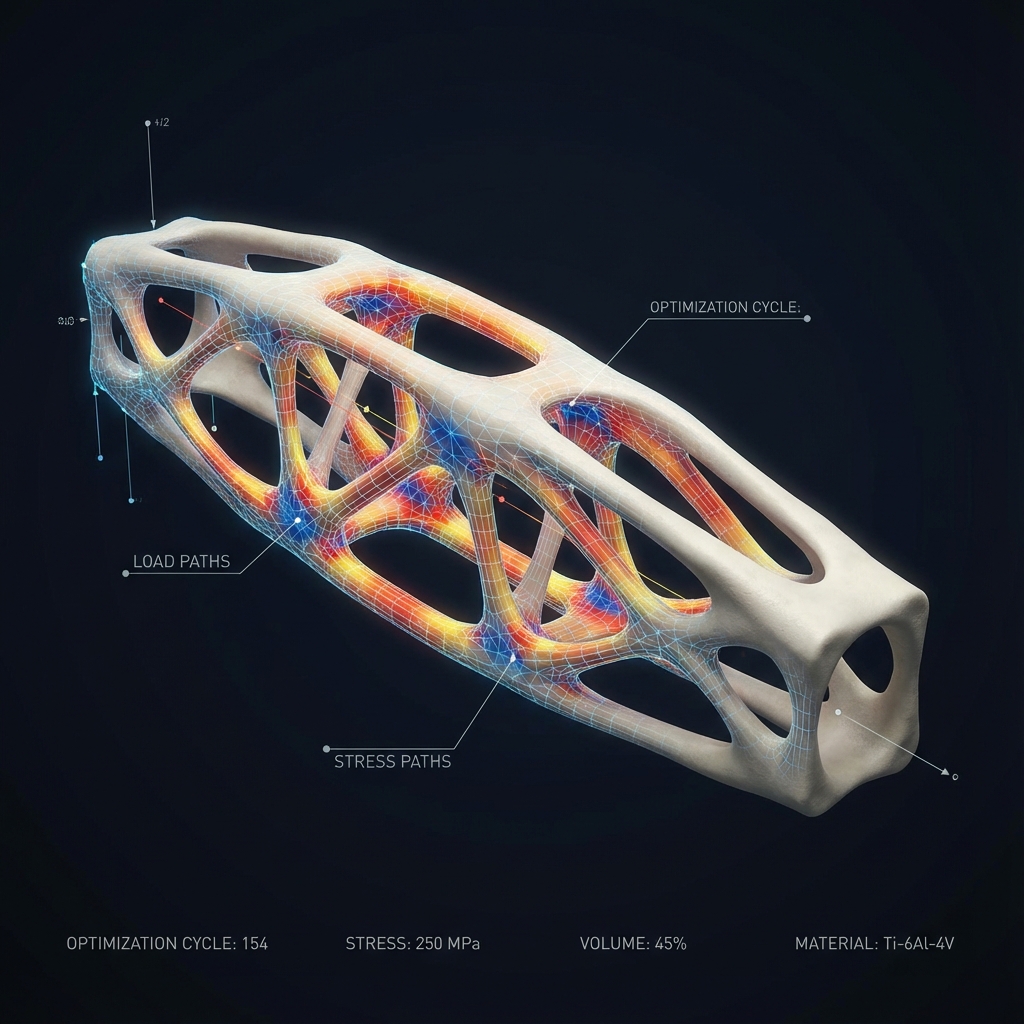
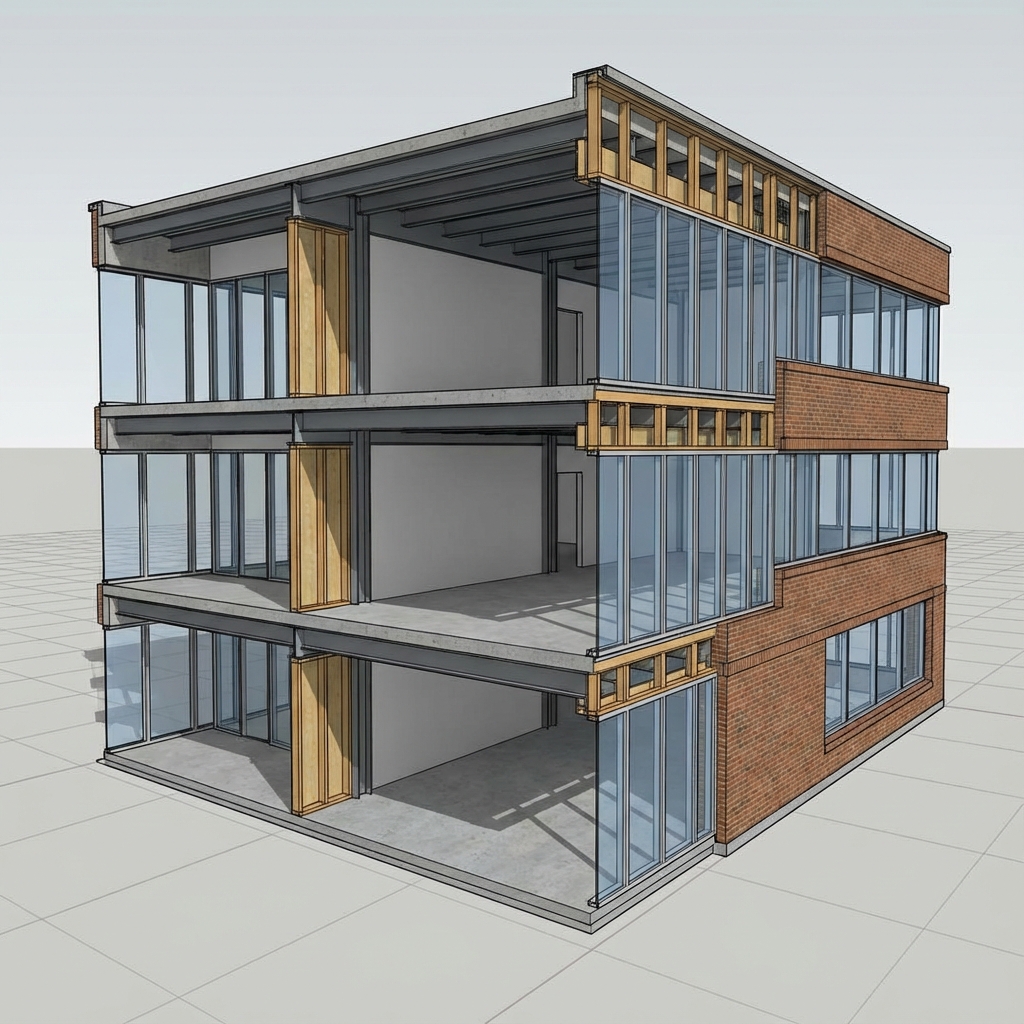
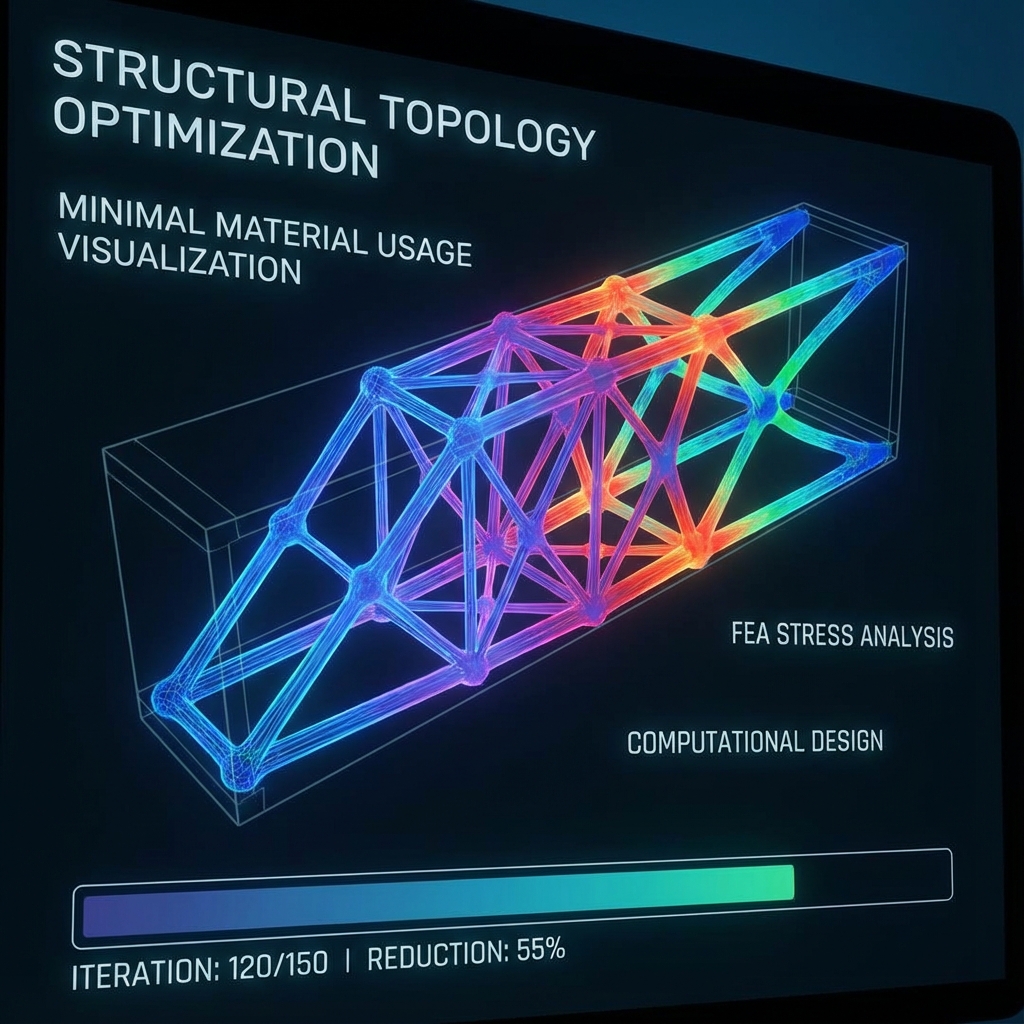
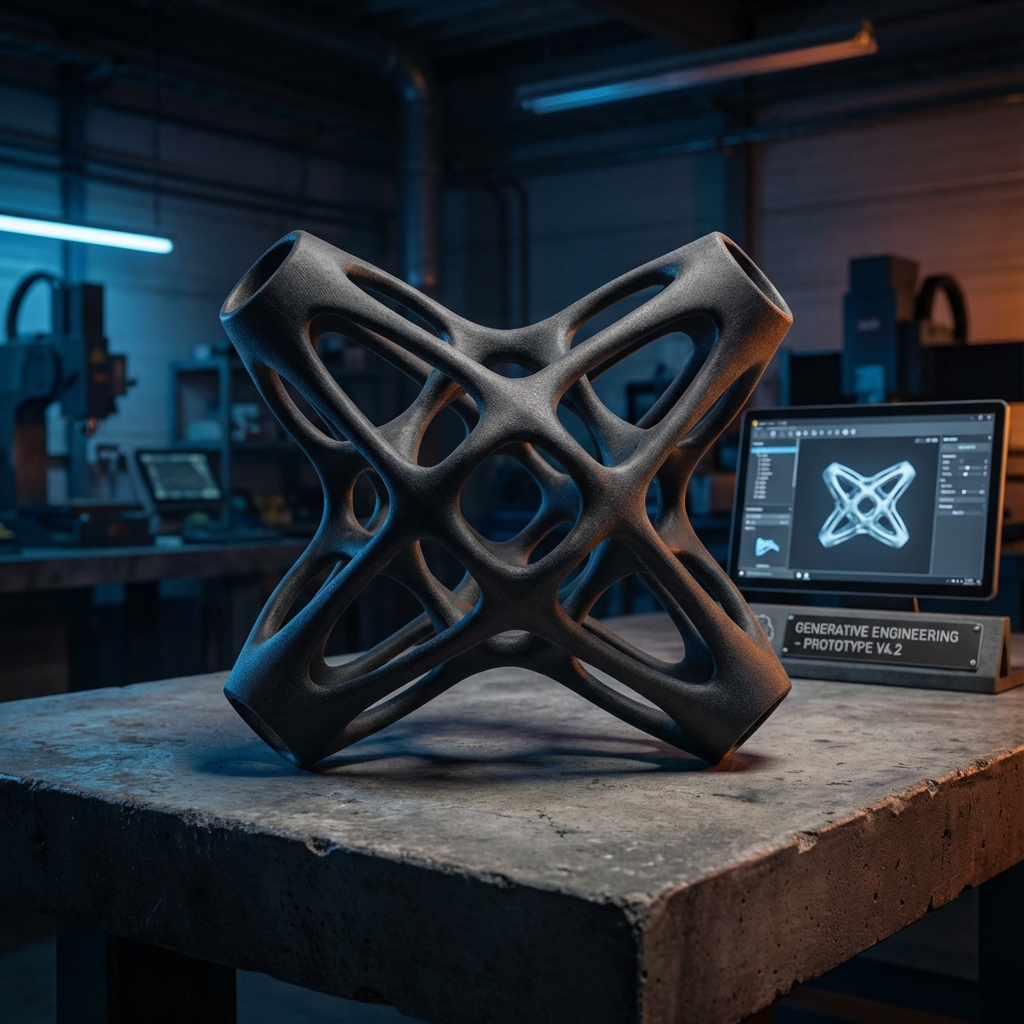
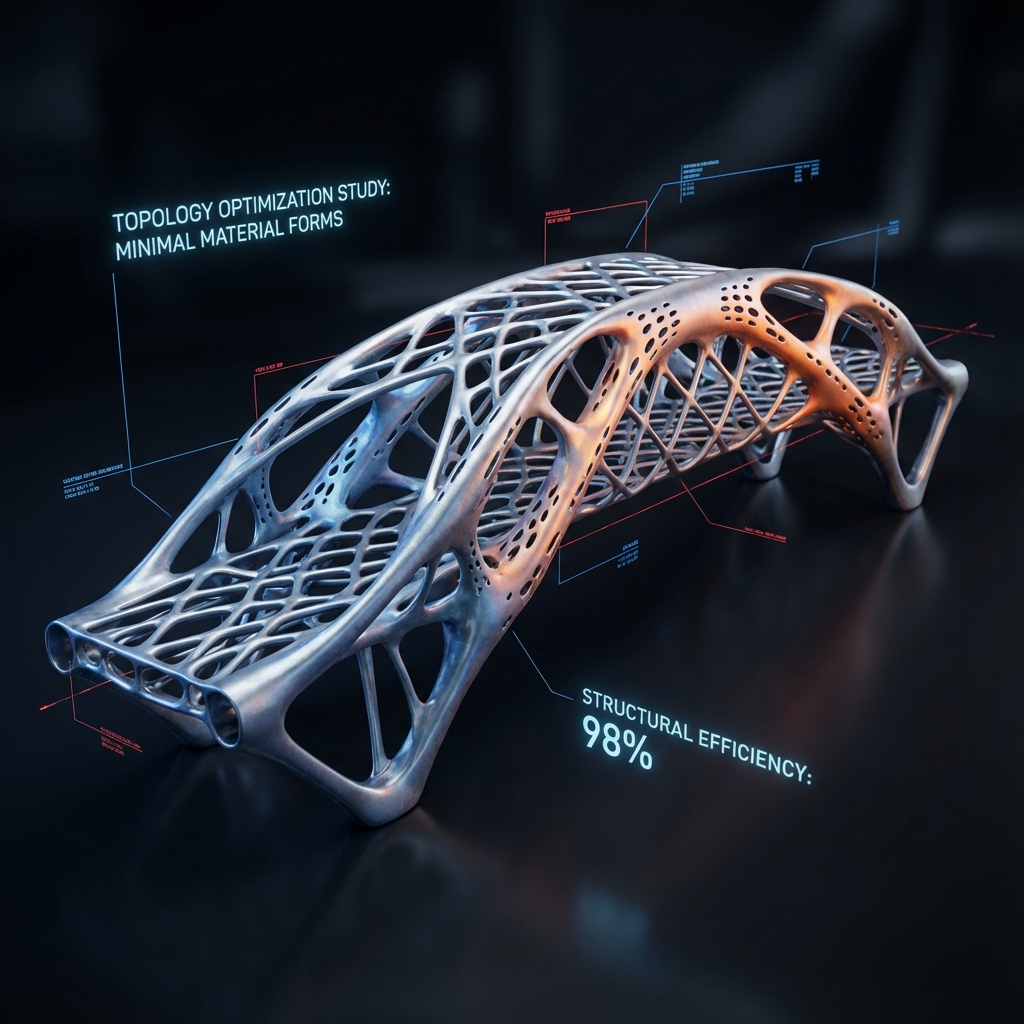
Reducing structural waste through topological optimization algorithms.
By mapping stress flows and removing non-load-bearing material, we achieve 40% waste reduction while maintaining safety standards. This approach bridges computational analysis with sustainable construction practices.
Overview
Reducing construction waste through computational optimization while maintaining structural integrity and safety standards.
Methodology
- Topology optimization algorithms (SIMP method)
- Finite Element Analysis (FEA)
- Material stress distribution mapping
Results & Benefits
- 40% reduction in material waste
- Maintained structural integrity (safety factor 1.5)
- 25% cost savings on structural materials
Tools: Karamba3D, Millipede, custom Python scripts


Bio-Digital Habitats
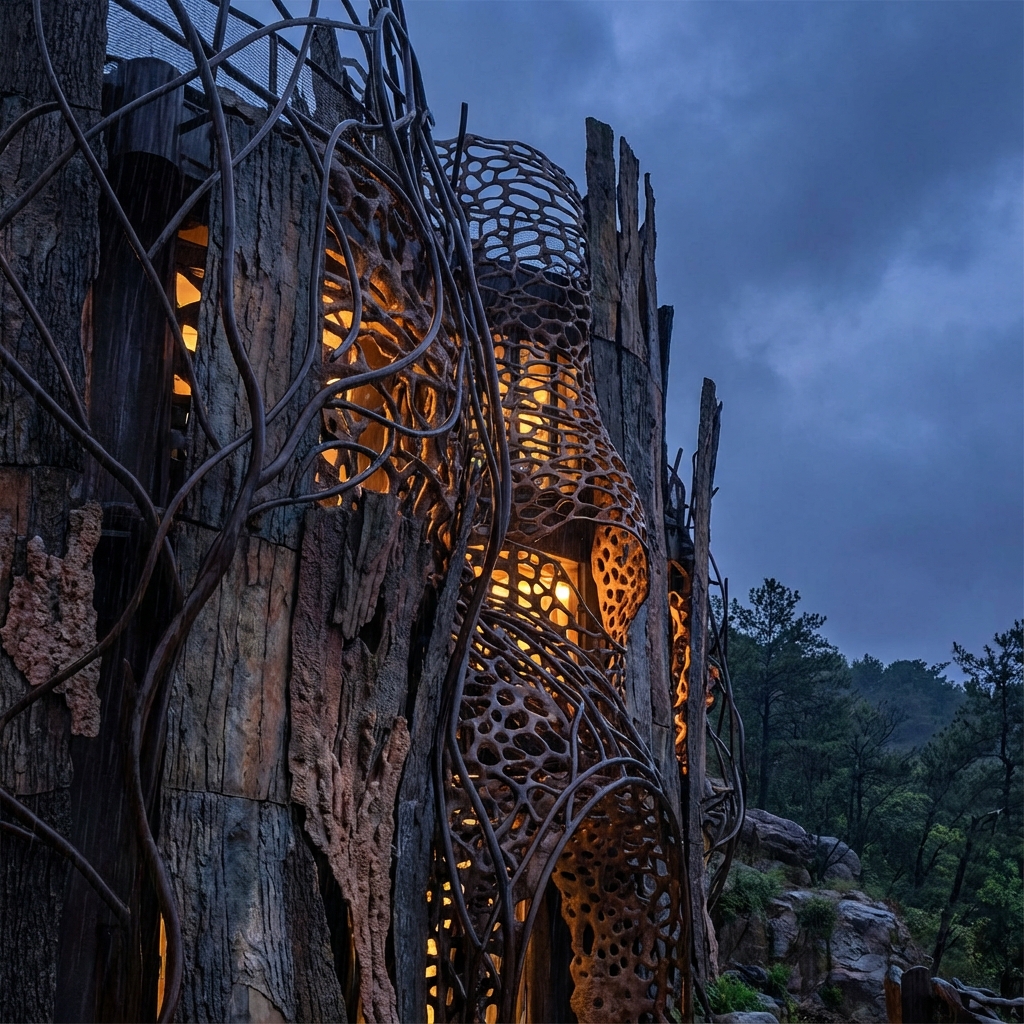
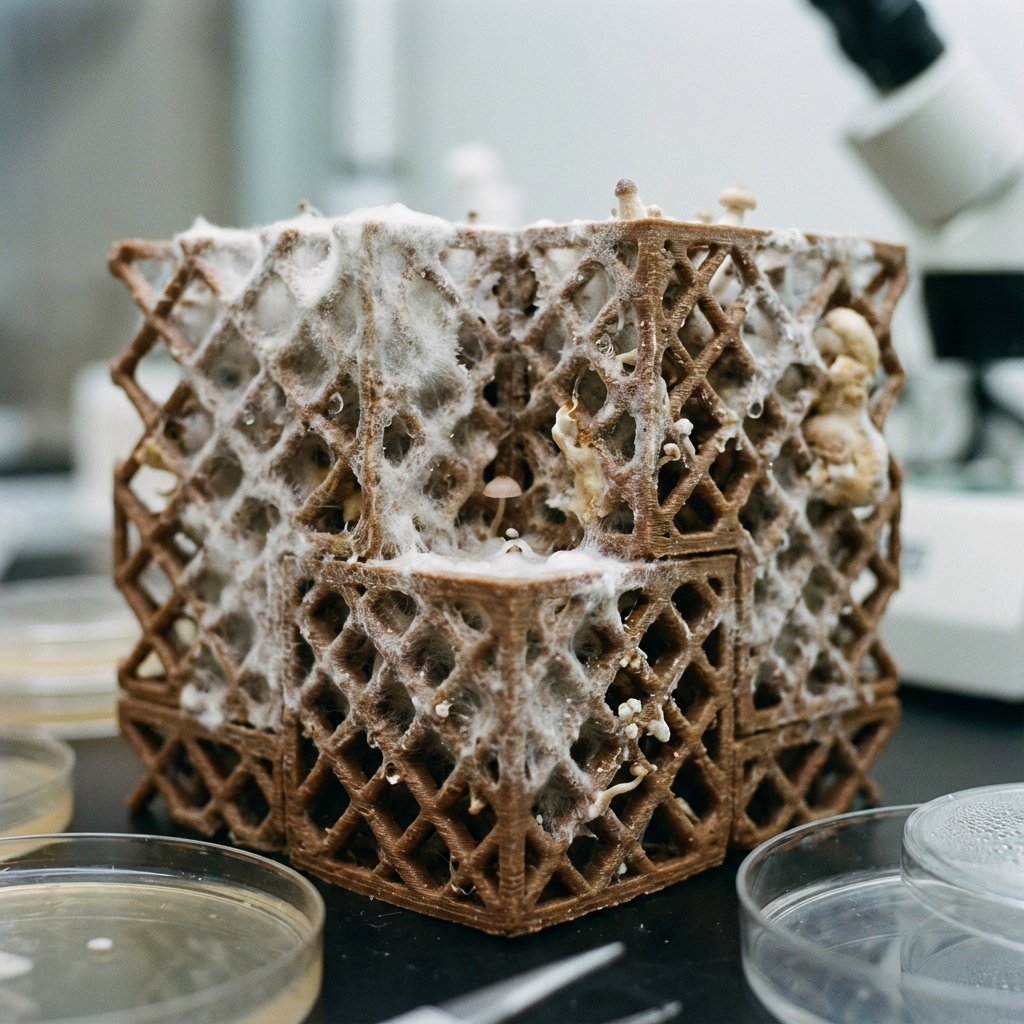
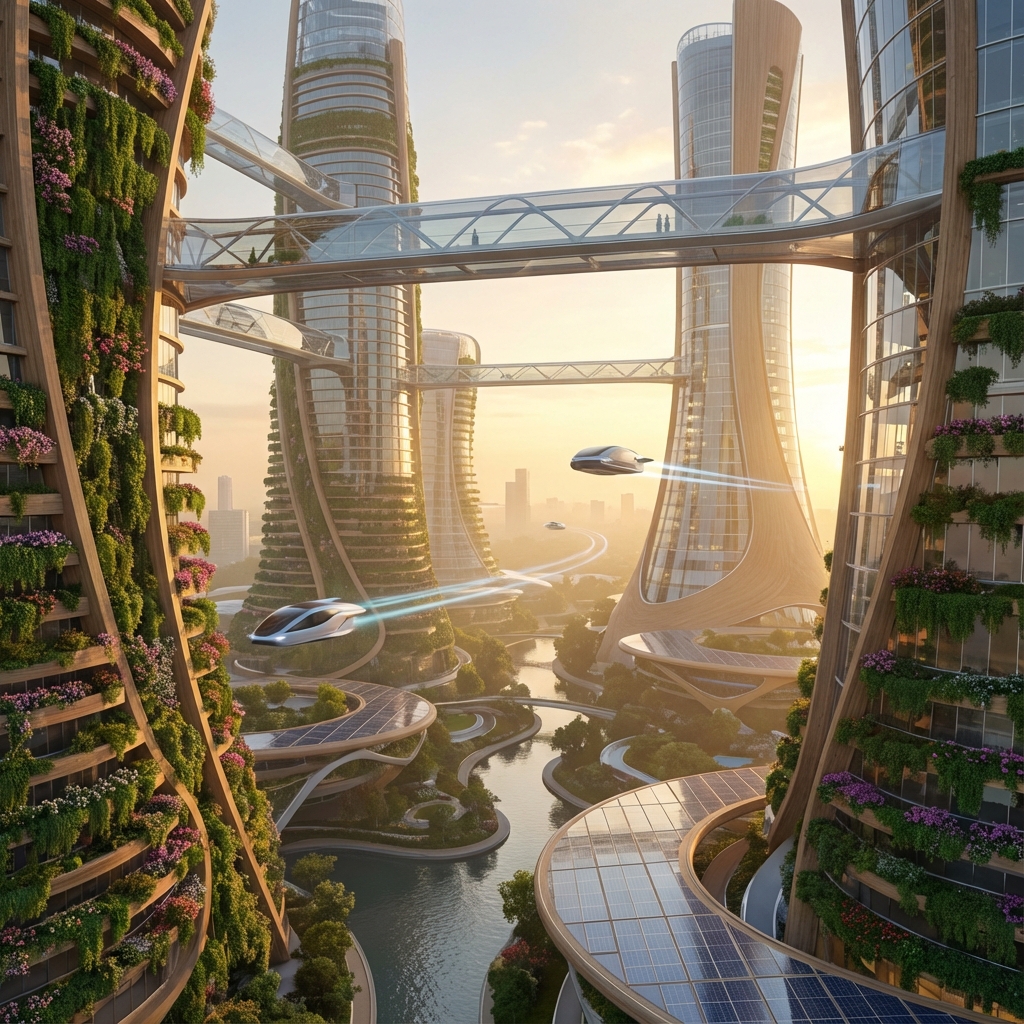
Growing architecture using mycelium-based composites and 3D printed scaffolds.
This experimental research explores living materials that grow into structural forms. Mycelium-based composites offer carbon-negative construction alternatives with unique thermal and acoustic properties.
Overview
Experimental architecture using living materials that grow into structural forms, creating carbon-negative building components.
Process
- Mycelium cultivation on agricultural waste substrate
- 3D printed biodegradable scaffolds (PLA)
- Growth monitoring and environmental control
Material Properties
- Compressive strength: 0.5-1.5 MPa
- Thermal insulation: R-value 2.5-3.0
- 100% biodegradable and carbon-negative
Applications: Temporary structures, disaster relief housing, bio-facades






AI Landscapes
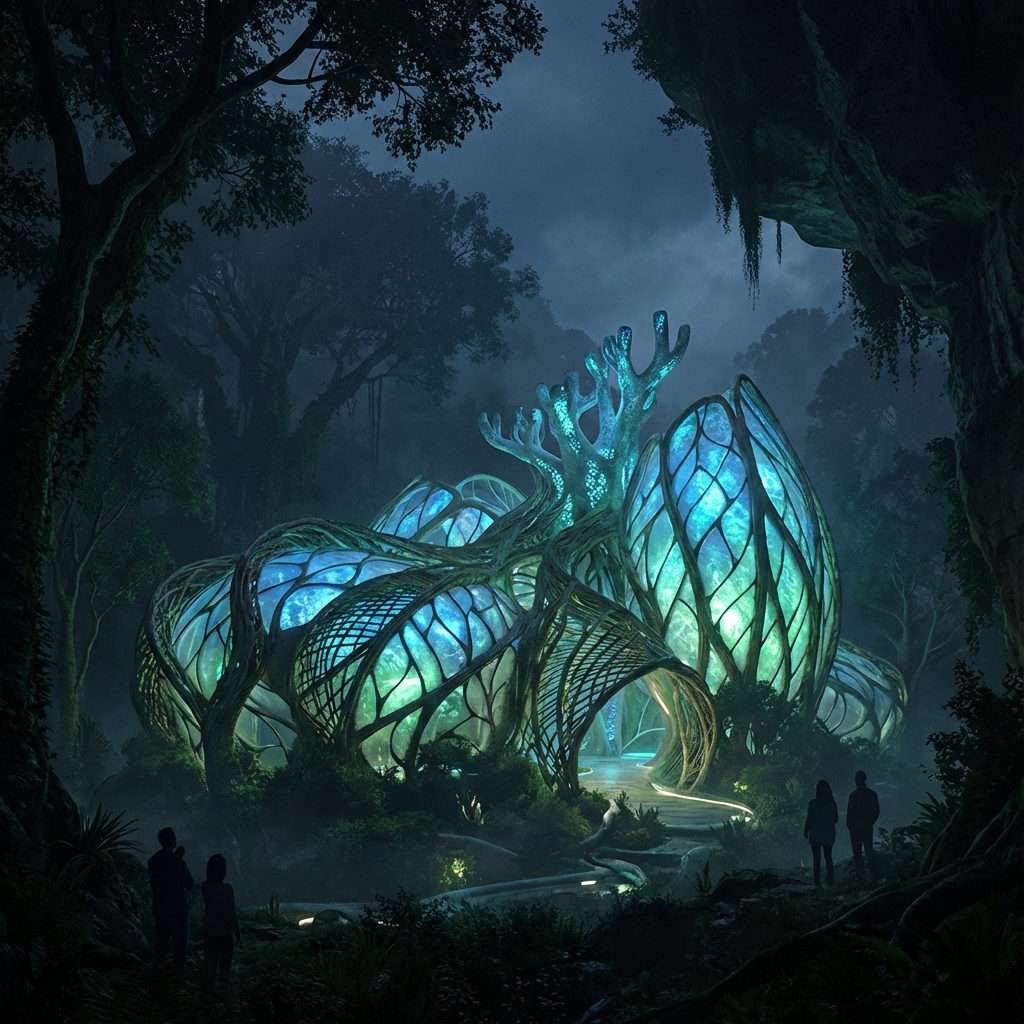
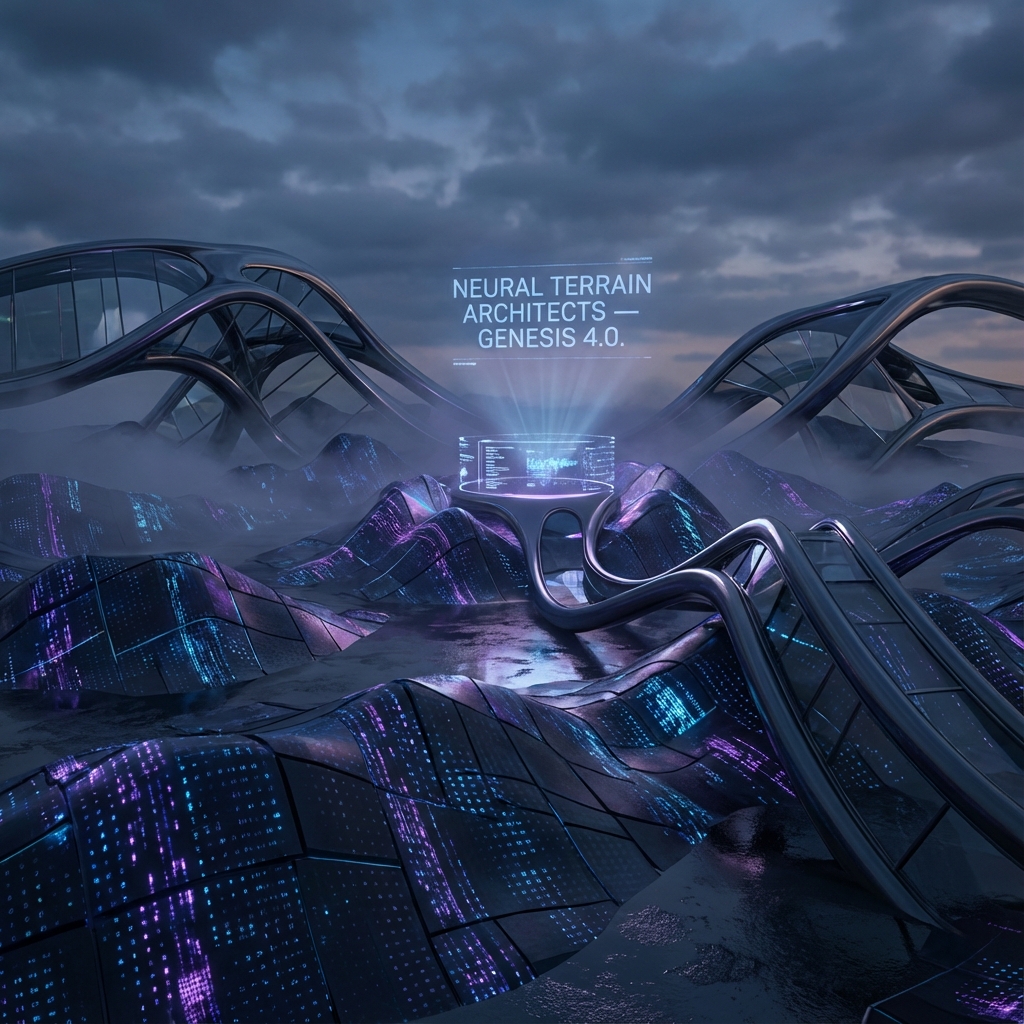
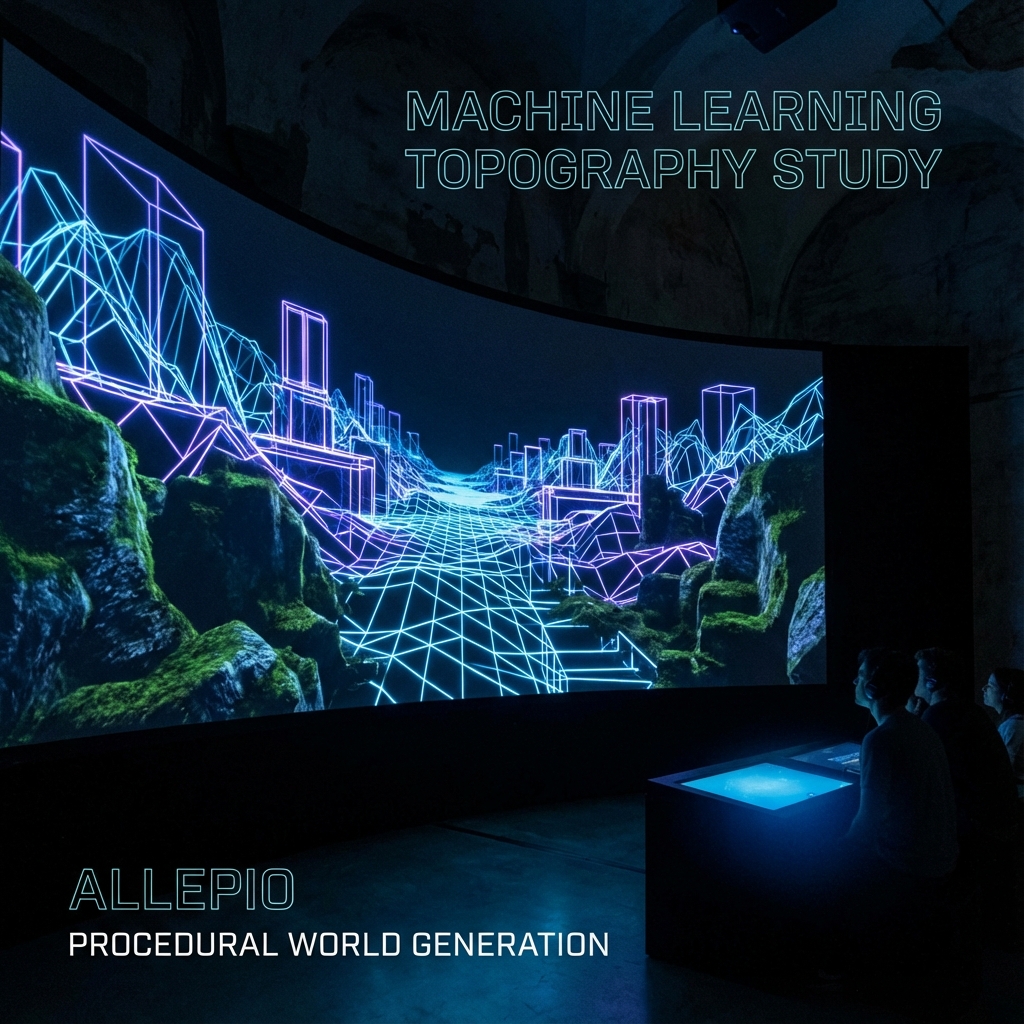
Synthetic nature maps generated using diffusion models and style transfer for immersive environments.
Leveraging Stable Diffusion XL and ControlNet, we generate photorealistic synthetic environments for VR/AR applications, game development, and conceptual landscape visualization with precise compositional control.
Overview
Generating synthetic natural environments for immersive experiences using AI-powered landscape generation.
Technical Pipeline
- Stable Diffusion XL for landscape generation
- ControlNet for terrain control and composition
- Style transfer for consistent aesthetic
Applications
- VR/AR environment backgrounds
- Game development asset creation
- Conceptual landscape design
Output: 4K seamless textures, 360° panoramas



Generative Art & Cellular Automata
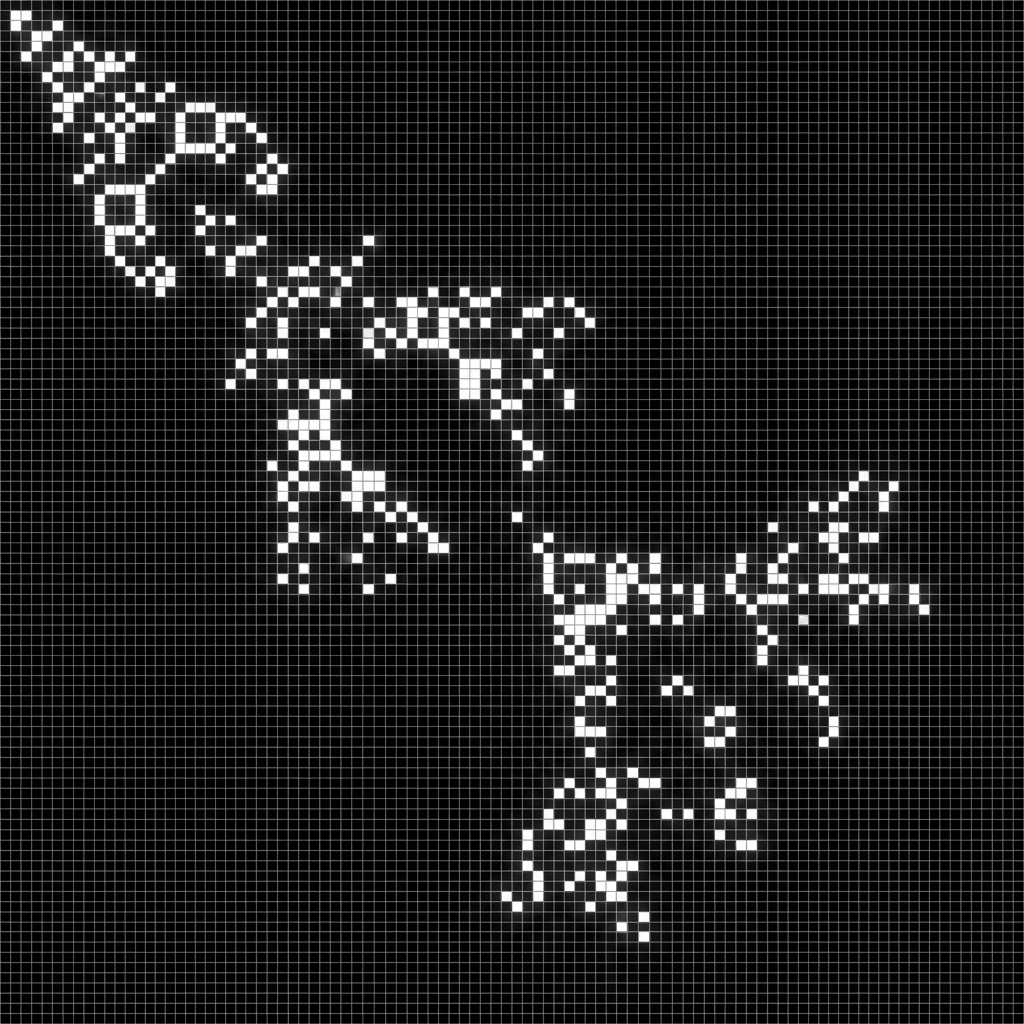
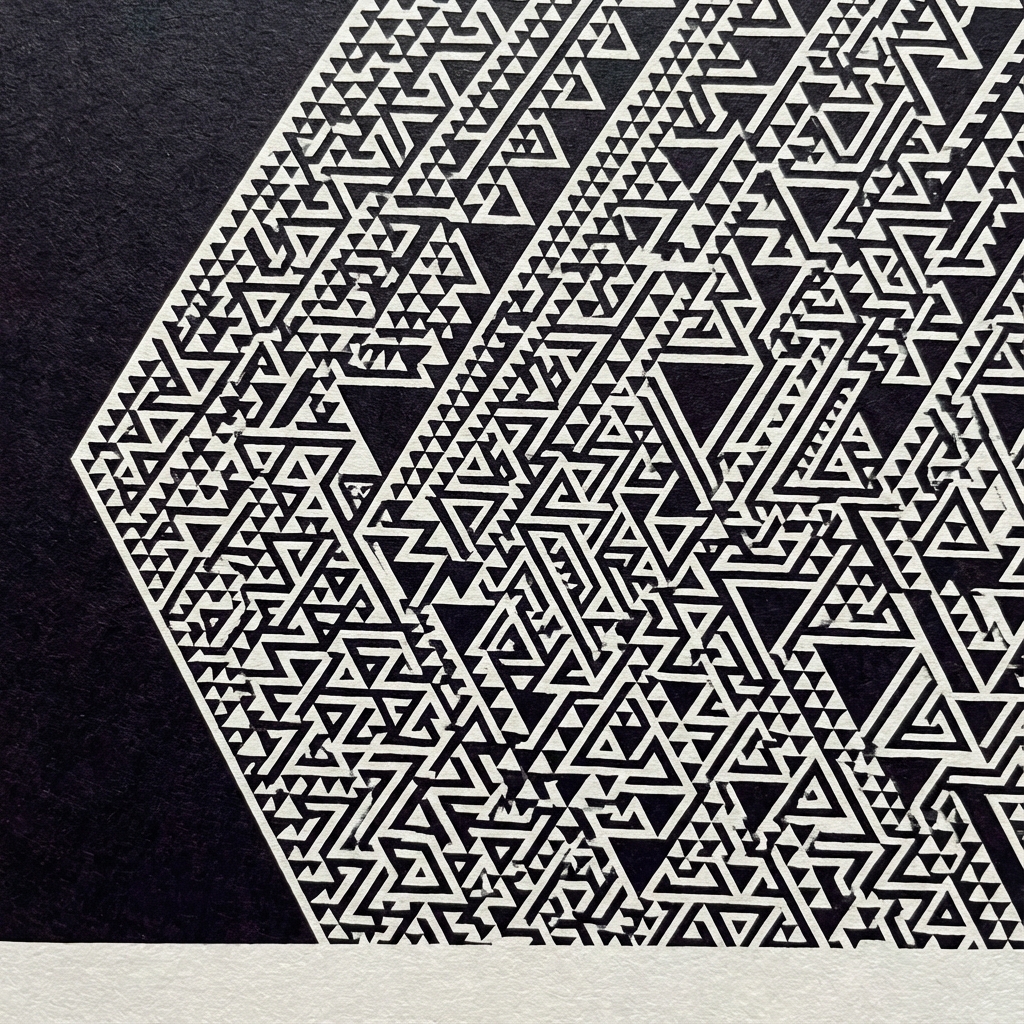
Exploring mathematical beauty through computational systems. From Conway's Game of Life to complex emergent behaviors, we research how simple rules create infinite complexity.
Overview
Cellular automata represent a fascinating intersection of mathematics, computer science, and art. We study and implement systems where simple local rules produce emergent global patterns of stunning complexity.
Research Areas
- Conway's Game of Life & variations
- Elementary cellular automata (Wolfram)
- L-systems and fractal generation
- Reaction-diffusion patterns
- Procedural terrain generation
Applications
- Interactive art installations
- Game development & procedural content
- Architectural pattern generation
- Educational simulations
Tools: p5.js, WebGL, GLSL Shaders, Processing